The doctor you trust
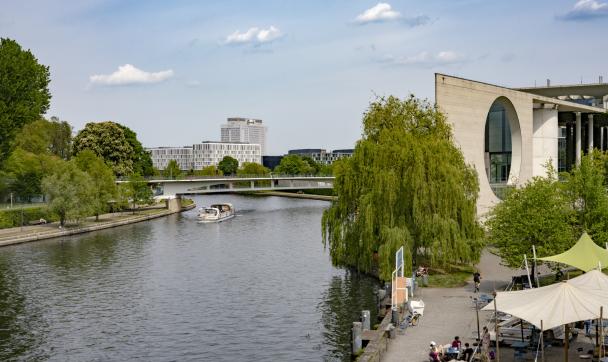
View along the Berlin Spree towards the Chancellery and Charité hospital
visitBerlin, photo: Stephan Zirwes

The more than 80 hospitals in the German capital are staffed by internationally renowned top physicians. Professors and chief physicians lead interdisciplinary and highly specialised teams of doctors. Every year, over 750,000 inpatients entrust themselves to Berlin's hospital doctors, who cover all medical specialities.

Berlin is a centre of medical excellence and offers a wide range of healthcare services. From emergency care to specialised treatment, Berlin's hospitals are well equipped to protect and promote the health of the population. International patients can contact the international offices of the doctors and professors listed here to request treatment.

Use "Filter by medical departments" and "Apply filter" to display a selection of specialists for your medical concern. Click on the doctor to find further information and contact details.

Chief physicians and specialists

81 results

Available for a video consultation
Filter by medical departments
graudate cap
GettyImages, photo: dhavatar

Various medical experts

Anyone wishing to qualify as a doctor in Germany generally completes a university programme in human medicine. The strictly regulated course has a standard duration of six years and three months, including examinations. After passing the Medical Examination, graduates may apply for a full licence to practise medicine (Approbation). Doctors can subsequently complete specialist training and receive recognition as a Facharzt or Fachärztin. Separately, they may earn the academic degree “Dr. med.” by completing a medical doctorate; this is not the same as qualifying to practise medicine. A further academic qualification, usually a Habilitation, may establish eligibility for a university professorship but does not itself confer the title “Professor”. A habilitated academic granted independent teaching authorisation may use the title “Privatdozent” or “Privatdozentin”, abbreviated to “PD”.

For international patients, it is important to understand that anyone practising as a doctor in Germany must be legally authorised to do so. This normally requires an Approbation; in certain cases, a temporary or restricted professional permit (Berufserlaubnis) is sufficient. These rules help ensure that practitioners meet the prescribed professional requirements.

A doctor without the title “Dr” or “Professor” is nevertheless fully qualified to practise medicine. These titles denote additional academic achievements or appointments, not medical licensing. Doctors treating patients in hospitals must hold the required authorisation, regardless of whether they have an academic title.

Selection of chief physicians and specialists

More

Berlin – Centre of medical excellence

Berlin has a worldwide reputation for top-class medicine – boasting Europe's largest university hospital, the Charité, as well as an extensive network of first-rate research facilities and institutions. The German capital offers national and international patients the entire spectrum of modern medicine to treat any kind of medical condition. Working in accordance with German quality and service standards, more than 80 hospitals and some 9,200 doctors in general or specialist practices do their utmost every day to provide the best possible medical care. The growing number of international patients speaks volumes: Berlin can justifiably call itself Germany's “health capital”.

Doctor using microscope
GettyImages, photo: sanjeri

Stay informed and up-to-date?

Stay updated! Our English newsletter "Berlin Medical News" will inform you about the recent developments in the medical landscape of Berlin.

Please choose your language

I'm looking for